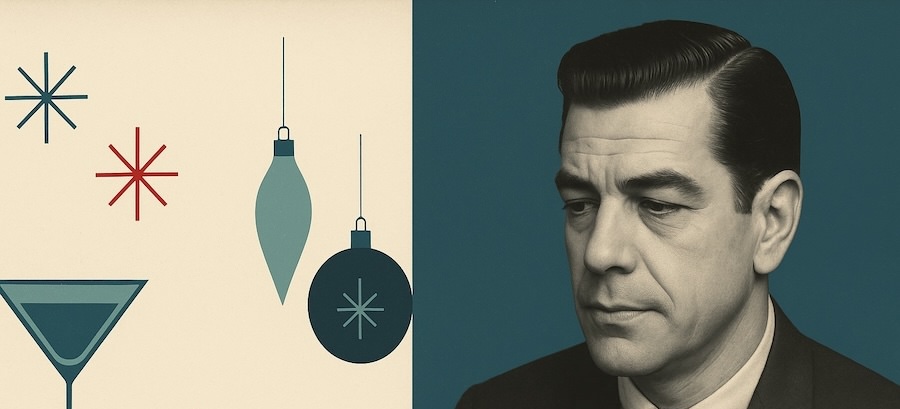
Liner Notes for the 2025 first release
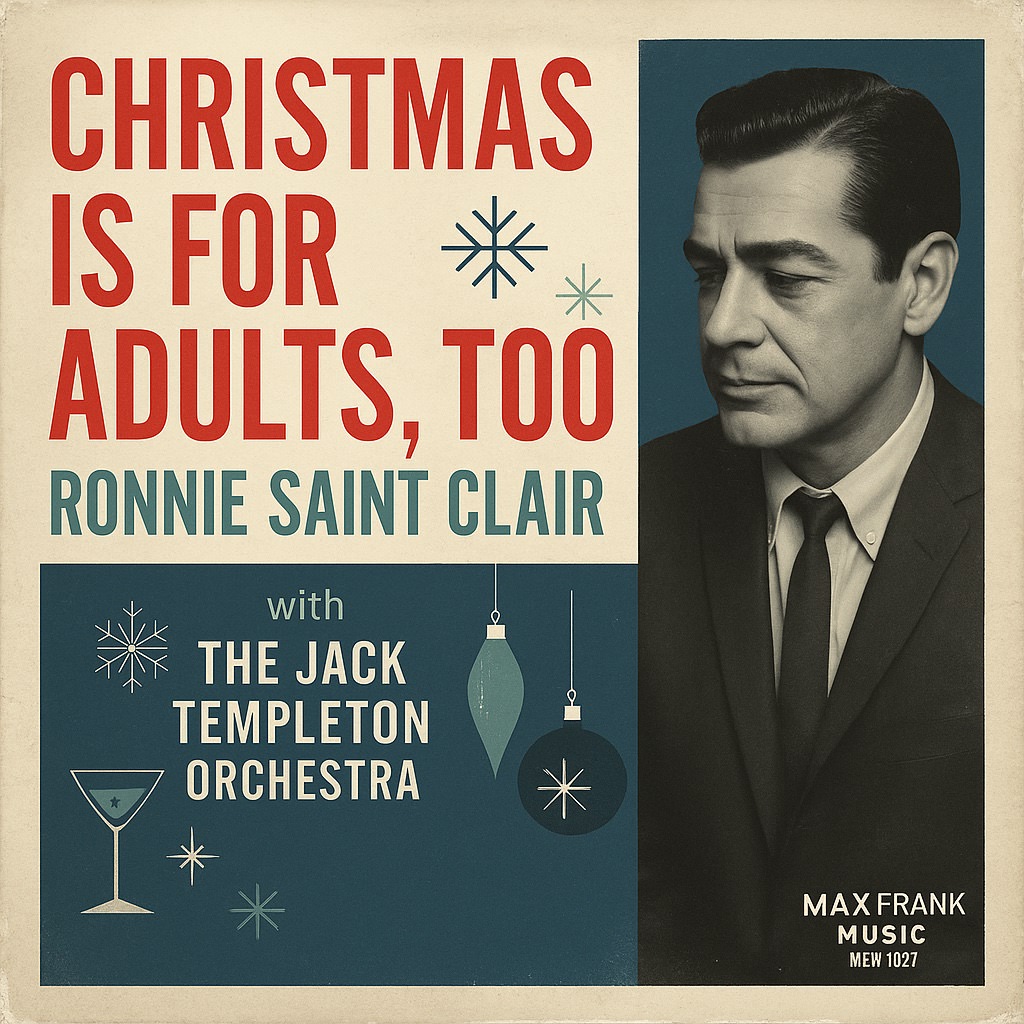
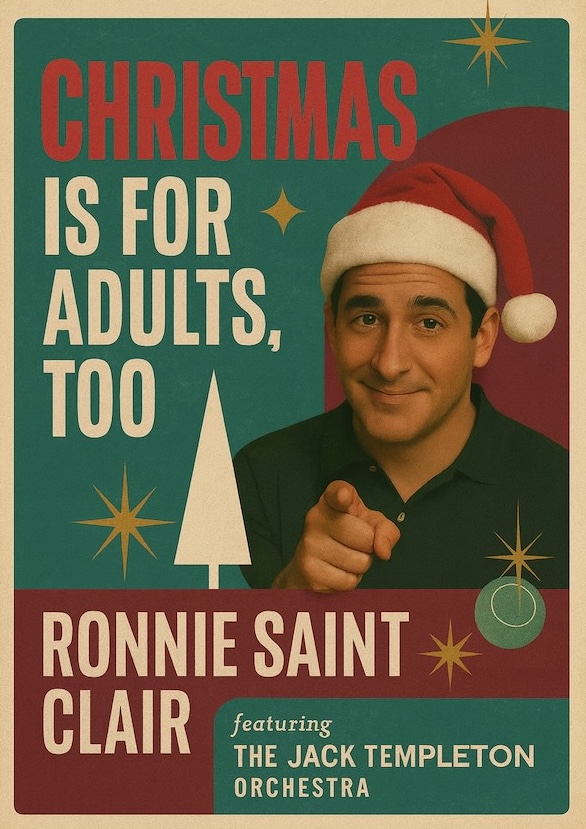
In the winter of 1960, Ronnie Saint Clair was ready to walk away from music. The once-promising jazz vocalist, weary from years of modest acclaim and dwindling club dates, had quietly told friends that he was finished. His closest friend and musical partner, arranger and pianist Jack Templeton, was not ready to let that happen. Over coffee one June afternoon, Jack made a suggestion that would change everything. “What if we did a Christmas album?” he asked.
Ronnie laughed. “I hate Christmas,” he said. “It’s all about kids and presents. None of that pertains to my life.”
Jack leaned forward and smiled. “Then let’s make one for the rest of us. An adult Christmas album.”
That was how it was born.
With the mysterious and gifted Delphine Skye joining them as lyricist and collaborator, the trio began to shape songs that reflected their own lives. These were songs about late-night clubs, fading romance, quiet heartbreak, and the strange kind of comfort that can be found in a lonely December evening. Most of the lyrics were written by Delphine, whose turn of phrase could make even sadness sound seductive. Ronnie contributed two of his own songs, handling both words and music, while the remaining music was a joint effort between him and Jack. The arrangements, full of style and contrast, were entirely Templeton’s work.
Jack approached the sessions with energy and good humor. You can hear his spirit throughout the recording. The band swings with an infectious vitality, and there are moments when Jack’s piano seems to shout with joy. Yet the quieter side of his personality is also present. Between the bursts of brass and rhythm, there are tender passages of reflection that remind listeners of his more introspective nature. The result is an album that moves easily from smoky saloon intimacy to the sound of a roaring big band.
The material covers a wide emotional range. Some songs are wistful and personal, while others burst with a kind of jubilant irony. This is not a record about sleigh bells or toy trains. It is a collection of stories told by adults who have lived through a few holidays of their own. Templeton’s experience as an arranger for jazz vocalists gives every track a sense of polish and balance, and Ronnie’s voice carries a warmth that makes even the most melancholy lyric feel human and sincere.
Jack financed the project himself. One hundred test pressings were made and mailed to radio stations around the country. The response was polite but unenthusiastic. No label stepped forward to release it, and the album quietly faded from view.
One of those test pressings found its way to Montgomery, Alabama, where a disc jockey named Bill McDermit decided to give it a try. McDermit was known for mixing genres in unexpected ways, often pairing a Patsy Cline record with a Thelonious Monk tune or a bit of Caribbean music. He liked the sound of this strange Christmas album and began playing it on his show each December. Before long, it became a family favorite in the McDermit household.
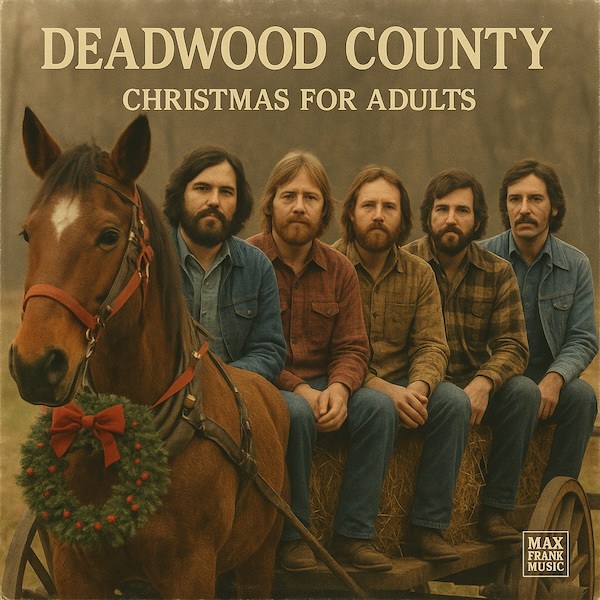
Bill’s twelve-year-old son, known to everyone as Bean, took a special interest in it. He was already learning guitar and singing, and he began to play along with Ronnie Saint Clair’s voice. Within a few years he could perform every song from memory. When he later formed a country-rock band with his friends, they named it Deadwood County after their hometown.
During their holiday shows, Bean introduced Ronnie’s songs to the band, and the material fit perfectly. Their audiences responded with enthusiasm, and a producer who heard them perform in New Orleans suggested that they record the set. The album, released in 1973 as Christmas for Adults by Deadwood County, gained a loyal following among fans but never reached a wider market. By 1975 it had quietly slipped out of print.
This reissue restores the original 1960 recordings of Christmas Is for Adults, Too. The music has been remastered from one of the surviving test pressings, preserving every detail of the sessions that captured three remarkable artists at a moment of creative freedom. What they created was not a commercial holiday record but a work of honesty and feeling. It speaks of the quiet side of the season, where joy and sorrow coexist, and where the only gifts are those that come from experience and understanding.
They called it Christmas Is for Adults, Too. More than six decades later, it still is.
Copyright © 2026. All rights reserved.