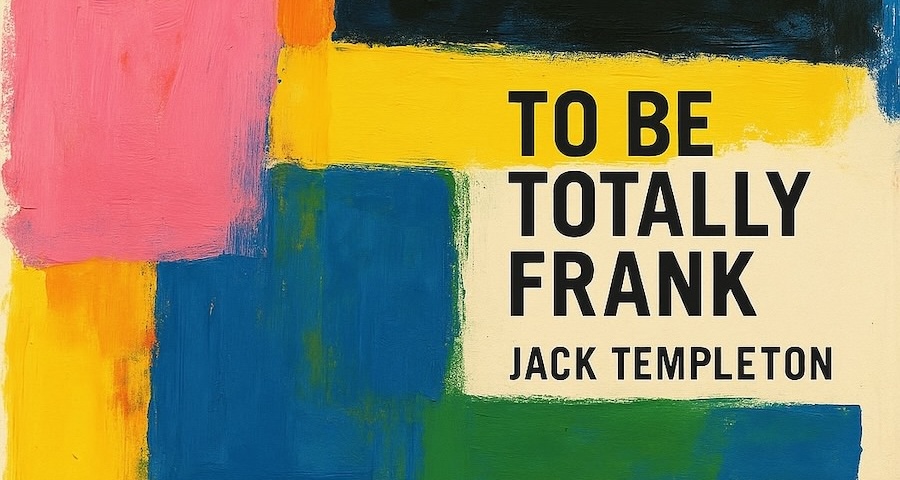
(from the original liner notes by Flip Mancuso)
The partnership between arranger Jack Templeton and composer Terry Frank grew out of years spent talking music in small New York rooms. Frank brought in the tunes. Templeton heard their possibilities for a larger canvas. What began as friendly conversation became a full session when Templeton finished a complete set of arrangements for a hand picked studio band. Two long days in a familiar New York studio captured the results. Each performance on this album adheres closely to the spirit of Frank’s writing while letting Templeton shape the color, pacing, and swing.
What follows is a clear picture of what took place in that room.
Let’s Eat Apple Pie
The album begins with an easy going groove. The melody states its case with memorable clarity before Moffit steps forward for a relaxed trumpet solo that floats above the rhythm section. Short breaks between drums and full ensemble create lively contrast. The chart closes with a brief return to the opening phrase.
It’s More
Frank’s waltz opens with Thompson’s strong tenor carrying the melody over a gentle pulse. The band answers with a tight ensemble passage that moves the tune forward. A reflective piano moment by Lundberg shifts into a freer, romantic mood before the tempo returns and a bright saxophone line lifts the closing section.
Approchant
A brisk samba sets the mood. Rivas rides the melody with spirited phrasing while the brass adds sharp accents, including ringing trumpet figures at the top of the register. A complete pause clears the way for a driving piano montuno that the drums and percussion seize upon. The theme returns with a smooth dance line and more alto embellishment.
It Only Happens Sometimes
A finely shaped melody gives the piece its warm romantic tone. Magee brings a gentle voice to the first statement, which then slips into a lighter double time swing for the second eight. The melody reappears at the bridge in the trumpet’s hands before the chart settles into a quiet close. Strings add subtle color throughout.
Come Along
A strong opening blast sets the tempo and the attitude. The melody invites the listener forward and Rinaldo responds with a bright solo that sits above a full ensemble push. The band surges behind the saxophone as he continues to play over the reentry of the melody. The final chorus is a classic full power shout.
Flying on the Strato
Thompson outlines the melody while the trombones mark the line with pointed figures. The ensemble handles the bridge before the tenor returns to complete the chorus with tasteful decorations. A swinging solo follows, the bass walking with deep conviction. A playful ensemble pattern launches another solo by Lundberg. The tenor then reenters with rising intensity, settling into a single note pattern as the energy gathers. Drums spark the return of the theme before the ensemble closes it out.
Monday
A catchy riff begins the tune and sets the groove for a feature that centers on Lundberg. The melody is played at the keyboard with strong support from a firm bass line. The band enters with open voiced figures that frame the soloist. Lundcberg remains the focus through most of the chart. And what a solo it is!
A Dream
A free, atmospheric saxophone line introduces the piece. The piano then presents the melody with a soft touch before passing it to Nalker on the trombone. Thompson continues the melodic thread, shaping it with long expressive phrases. The piano solo that follows floats over a gentle pulse from the rhythm section. The full ensemble provides a quiet lift to the final tenor line.
Along the Oregon Coast
A relaxed swing feel outlines the landscape. Artwick begins the story with his soulful tenor sound, answered by bright figures from the band. Lundberg follows with an inventive solo built on the easy groove. The tenor returns with added bite before the ensemble expands behind him. Piano and rhythm finish the journey with spirited interplay.
Johnstown
Short brass hits open the chart and set up an agile alto delivery of the melody in an exiting bop style. Moffit then takes a low register solo that grows in heat. A brief ensemble burst interrupts the line before the trumpet resumes. Lundberg adds a crisp remark of his own before the final ensemble passage brings the tune to a close.
Igor
The piece begins with sharp angles in the melody placed over a fractured rhythmic pattern. Once the theme concludes, the band opens into straight swing and Rivas steps forward for a driving solo. A compact ensemble sends the pianist into another solo turn, marked by quick lines and a sense of conversation with the band. Stop time punctuations with piano fills complete the chart.
Once More Under the Moonlight
A fully shaped arrangement without improvised solos. The band moves with the relaxed precision of a Basie chart while Rivas carries a gently rising melody. The rhythm section keeps the tune rooted in deep swing to the finish.
Movin’ On
The opening line moves with cheerful spirit. Rivas is again featured with a lively solo. Grimes trades short bursts with the ensemble to drive the finish. Frank’s writing and Templeton’s framing make the tune both friendly and memorable.
Late Night Rendezvous
A ballad idea by Frank becomes a forceful swinger once Templeton applies his arranging touch. The brass section takes a leading role and the rhythm section answers with firm punctuation. The transformation gives the piece surprising weight and drive.
Casa Grande
A burner that salutes the call and response style that shaped so many classic big band performances. Brass and reeds talk back and forth with crisp timing. Piano and alto take quick solos above the beat before the full ensemble powers through the final chorus.
What began as a casual conversation at a quiet bar grew into a full set of performances that show the depth of this long standing friendship. Frank supplied the tunes. Templeton supplied the voice of a full band. The result is music that reflects both men with clarity and respect.
PERSONNEL
Saxophone Benny Rivas and Dan Rinaldo (alto), John Artwick and Clay Thompson (tenor), Leon Caldwell (bari)
Trumpet Nick Moretti, Chas Magee, Billy Monroe, Carl Moffit
Trombones Malcolm McAdams, Eddie Lorne, Pete Nalker, Lloyd Harrison (bass trombone)
Rhythm section Bobby Lundberg (piano), Mort Carlson (guitar), Walter Dean (bass), Willie Dunbar (drums)
Jack Templeton, conductor and arranger
Produced by Leo Frankel
All compositions by Terry Frank
down beat
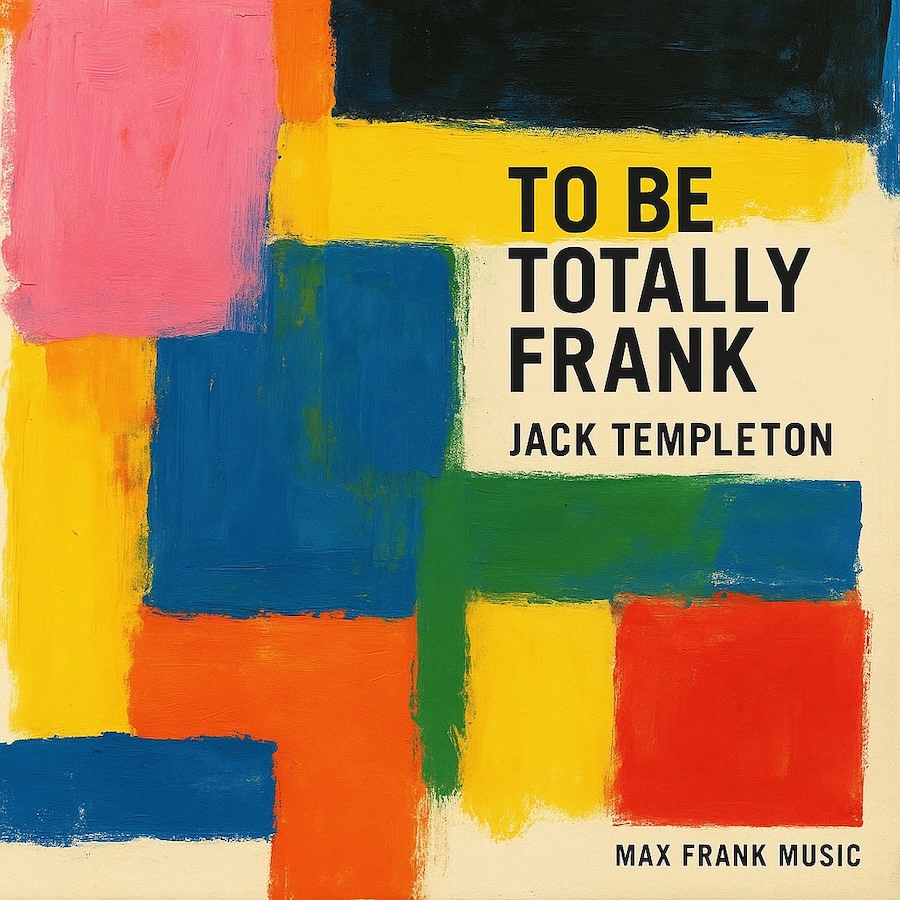
To Be Totally Frank
Max Frank Music
3½ Stars
Terry Frank has been quietly supplying the jazz world with melodies that seem to travel farther than the man himself, and “To Be Totally Frank” brings several of his finest originals into a sharper and more surprising light. The album succeeds not only because of Frank’s writing, which remains lyrical and thoughtfully shaped, but also because of Jack Templeton’s inventive arrangements. Templeton takes Frank’s tunes apart and rebuilds them with a sense of color and motion that feels both respectful and boldly new. The result is an album that never settles into routine.
The opening tracks show how fully Templeton understands Frank’s voice. Themes that began as intimate sketches now move through brass choirs, shifting reed textures, and rhythmic punches that change the entire character of the music. Yet the composer’s melodic signature remains. Templeton does not decorate. He transforms.
The solo work is another strong point. Clay Thompson turns in some of his finest tenor playing on record. His sound is warm and centered, with an easy command of long phrases that always land with purpose. Bobby Lundberg’s piano work is equally strong. He moves from delicate lines to firm, driving statements with no loss of clarity. Both players seem to understand exactly what Frank’s writing calls for.
The rhythm section deserves more than a passing mention. Walter Dean on bass and Willie Dunbar on drums give the date its steady backbone. Dean walks with a sense of direction that keeps the band honest, and Dunbar’s time is crisp without crowding the soloists. Together they push the band forward and give the album much of its drive.
Not every moment reaches the same level, and a few passages feel more formal than inspired, which keeps the rating at three and a half stars rather than higher. Still, the best parts of “To Be Totally Frank” stand with the most engaging big band work of the season. Frank’s tunes remain strong, Templeton’s arrangements reveal new layers within them, and the featured players lift the entire project.
A thoughtful and rewarding collaboration. If this partnership continues, the next chapter will be worth hearing.
J.T.
Copyright © 2026. All rights reserved.